


National Apprenticeship Week is celebrated between 9-15 February. With around 761,500 apprentices in the UK as of 2024/25, apprenticeships continue to play a vital role in developing future talents and supporting the workforce. This week provides an opportunity for employers to reflect on the value which apprentices bring to organisations of all sizes. Whilst there are numerous benefits to taking on apprentices, it is equally important that employers who do take on apprentices ensure that they are engaging them under the correct agreement, as failing to do so could give rise to significant implications for an employer.
The Benefits of Apprentices in the Workplace
Taking on apprentices provides employers with an opportunity to attract new talent and shape individuals from the ground up. Apprenticeships provide practical, on the job learning with structured training and continued education. This allows employers to teach organisational values and required competencies from day one. Apprentices who have been trained by the business are likely to have increased loyalty having trained with them, and, therefore, a vested interest in the business’s success.
From a commercial perspective, apprentices can contribute meaningful work while developing their skills, often resulting in highly skilled employees who progress to permanent roles within the organisation. Employers may also be able to benefit from funding from the Government, which can help offset the costs of training and employment and acts as an added incentive if eligible.
Apprenticeships additionally promote diversity of experience within the workforce. Many apprentices come from non traditional routes into employment, bringing fresh perspectives and adaptability. For sectors facing ongoing skills shortages, apprenticeships remain one of the most effective ways to bridge capability gaps.
The Importance of Using the Correct Agreement
Employers must ensure that apprentices are engaged under the correct type of agreement, as the distinction between traditional contracts of employment and an Approved English Apprenticeship Agreement is legally significant.
Where the agreement does not satisfy the requirements of an Approved English Apprenticeship Agreement, an apprentice will become a ‘common law apprentice’. This offers heightened protection to the apprentice, making it extremely difficult for an employer to terminate the relationship during the apprenticeship without legal risk.
Where an apprentice is held to be a ‘common law apprentice’, the training side will be deemed the primary purpose of the relationship, rather than the work undertaken for the employer. Subsequently, an employer can only be comfortable dismissing an apprentice in very serious cases of gross misconduct, where the apprentice would be deemed ‘unteachable’, which is a high bar to satisfy. Dismissal may also be possible by reason of redundancy but only where there is a closure of the business or the employer’s business undergoes a fundamental change in its character.
If a common law apprentice is dismissed without being considered ‘unteachable’, the apprentice can lodge a claim for compensation for loss of earnings/training during the remainder of the term of the apprenticeship agreement, and loss of future career prospects. This could have significant financial repercussions, for example, if a common law apprentice training to become a social worker (which has a typical 3-year duration to gateway) was to be dismissed in the first year of the apprenticeship.
Therefore, whilst there are many benefits to engaging apprentices, from a risk perspective it is important that they are engaged under an Approved English Apprenticeship Agreement from the outset of the apprenticeship (or an alternative specified apprenticeship agreement for Welsh apprenticeships), and that the agreement contains the provisions required under the Apprenticeships, Skills, Children and Learning Act 2009. This will allow the employer to apply their usual practices, and manage the apprentice in the same way as any other employee (including dismissal if appropriate). It is advisable that those responsible for preparing contracts/agreements are aware of this distinction, and issue the correct agreement on or before the first day of employment.
If you have queries or questions in respect of whether your apprentices are on the correct agreement, and how this can otherwise be remedied, please do not hesitate to contact a member of the AfterAthena team (part of the Napthens Group) who are able to offer 30 minutes of free advice to QCS members.
If you have any questions in relation to environmental proposals to help support employees take steps in relation to climate change, please do not hesitate to contact a member of the AfterAthena team (part of the Napthens Group) who are able to offer 30 minutes of free advice to QCS members.
Contact AfterAthena
Filter Posts:
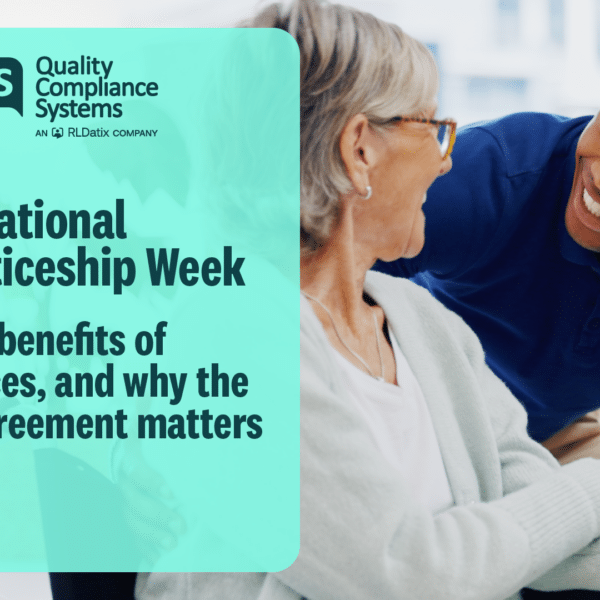
National Apprenticeship Week – The benefits of apprentices, and why the correct agreement matters

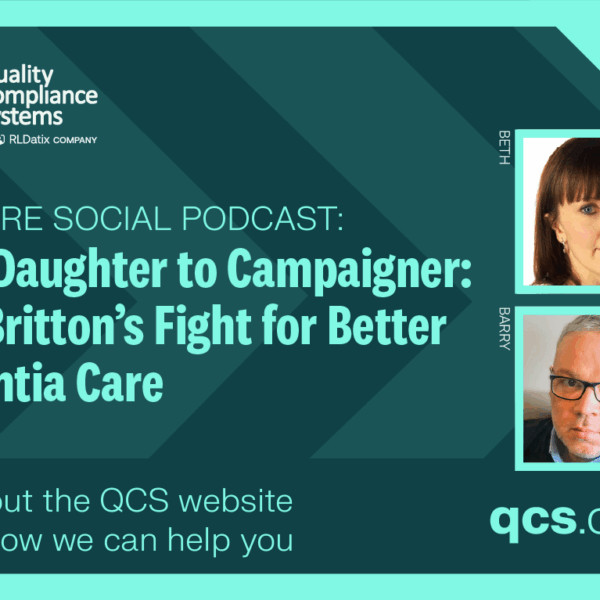
The Care Social Podcast Ep 20: From Daughter to Campaigner: Beth Britton’s Fight for Better Dementia Care

The Care Social – Episode Eight: Family and Friends as Care Partners
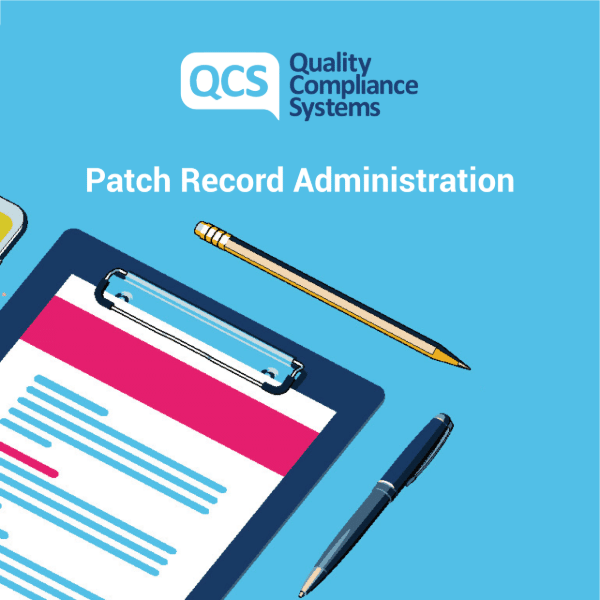
Download your free Patch Administration Record

Obtaining Evidencing and Recording Consent to Personal Care – Support

How to Obtain, Evidence and Record Consent to Service User Personal Care/Support Podcast
Supporting Individuals with Complex Needs to attend Health Care Visits

Personal Care Factsheets