


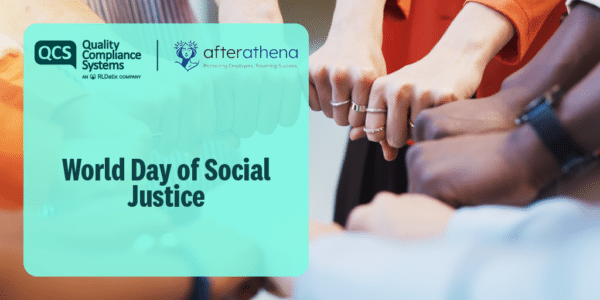
The World Day of Social Justice takes place on 20 February each year. This day is dedicated to raising awareness on the importance of promoting fairness and equality. The term ‘social justice’ captures a wide range of issues, including poverty, discrimination, gender equality, diversity, and environmental sustainability. The World Day of Social Justice aims to ensure that governments, businesses, and individuals create an inclusive society where opportunities are accessible to all.
One of the most important areas where social justice plays a critical role is the workplace. Employment is more than a source of income; it is important to ensure every workplace has a solid foundation for social inclusion. Persistent challenges such as gender inequality and underrepresentation of diverse groups continue to delay progress. Addressing these issues is essential for creating a workplace environment that reflects the principles of social justice.
Gender Equality in the Workplace
Gender equality is a critical component of workplace fairness as it ensures that all individuals, regardless of gender, have equal opportunities. Despite advancements, women often face barriers such as unequal pay, limited leadership opportunities, and restricted career progression. According to recent studies, whilst the gender pay gap slowly decreases over time, as of April 2025, the UK’s gender pay gap for full-time employees was 6.9%, with a ‘positive’ gender pay gap reflecting that men are paid more than women.
Businesses can lead change by implementing proactive measures including transparent pay structures and considering voluntary gender pay gap reporting if they have less than 250 employees (otherwise mandatory), introducing mentorship and leadership development programmes for women, and adopting policies that support work-life balance, such as flexible working arrangements.
Encouraging Workforce Diversity
Diversity in the workplace extends beyond gender to include race, ethnicity, age, disability, and other cultural backgrounds. A diverse workforce ensures unique perspectives and reflects the communities which businesses serve. However, systemic barriers often prevent certain groups from accessing employment opportunities. For example, according to 2024 official statistics, in the second quarter of 2024, the disability employment rate was 53.1% compared to 81.6% for non-disabled people.
Organisations are able to address these challenges through inclusive recruitment practices, such as blind hiring to reduce unconscious bias, issuing accessible job adverts and affording flexibility in job application methods, and by investing in equality and diversity training. Establishing employee resource groups and creating safe spaces for conversations further reinforces an inclusive workplace culture.
Why it is Important
Promoting equality and diversity can be a strategic advantage. Research consistently demonstrates that organisations with inclusive cultures outperform other organisations in innovation, employee engagement, and financial performance. By embedding social justice principles into workplace policies and practices, businesses contribute to reducing poverty, combatting discrimination, and advancing human rights.
As we mark World Day of Social Justice, businesses should focus on creating workplaces that champion fairness, equity, and inclusion. Through intentional action and sustained effort, they can build environments where every individual has the opportunity to thrive.
If you have queries or questions relating to gender equality and/or promoting diversity within the workforce please do not hesitate to contact a member of the AfterAthena team (part of the Napthens Group) who are able to offer 30 minutes of free advice to QCS members.
If you have any questions in relation to environmental proposals to help support employees take steps in relation to climate change, please do not hesitate to contact a member of the AfterAthena team (part of the Napthens Group) who are able to offer 30 minutes of free advice to QCS members.
Contact AfterAthena